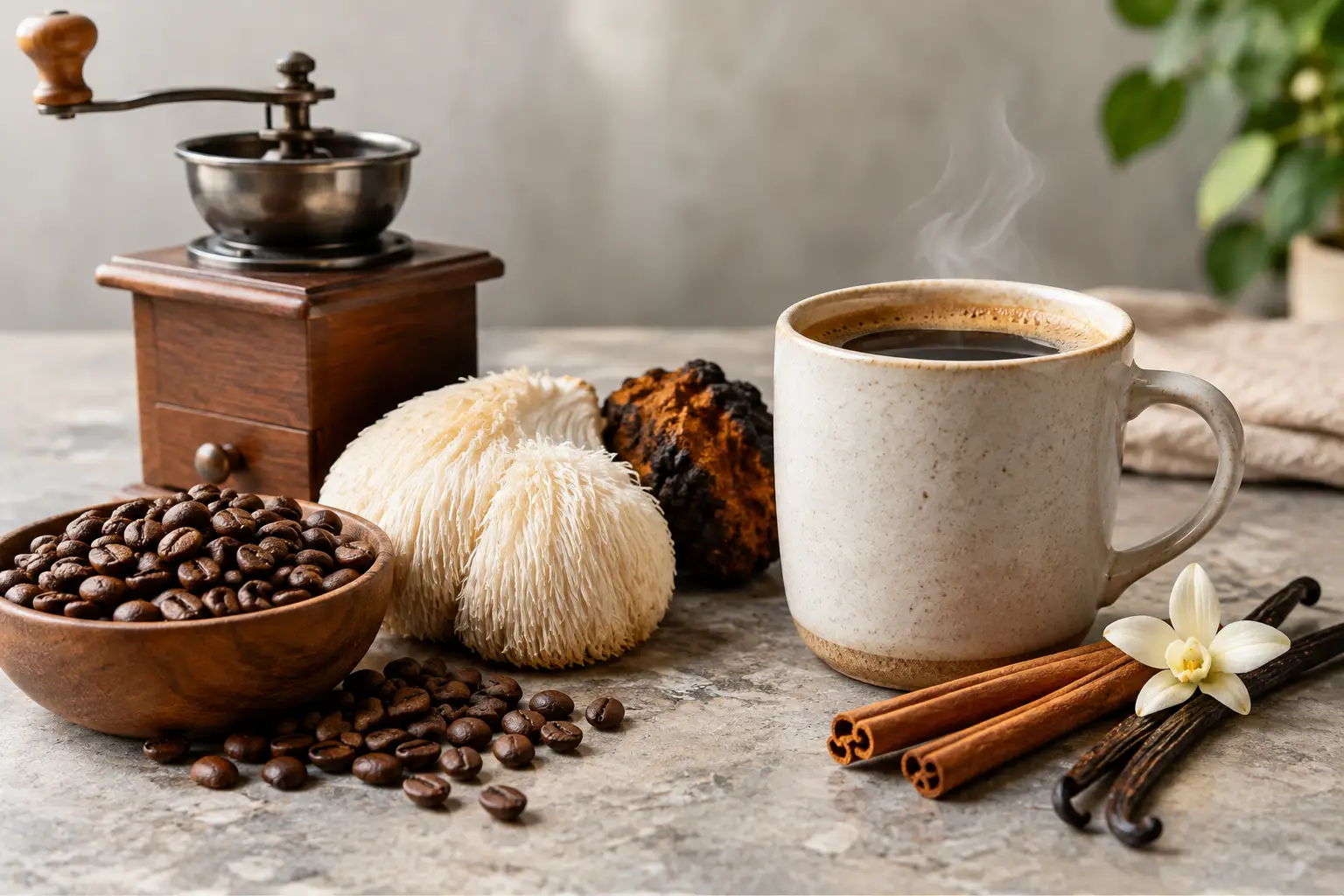
That 3 p.m. shaky feeling is not a required part of being a coffee person. The best low caffeine coffee options let you keep the aroma, warmth, and little moment of morning joy without turning one cup into a full-day roller coaster. Whether you are caffeine-sensitive, dialing back for better sleep, or simply over the jitters, there is more than one way to build a gentler coffee ritual.
The right pick comes down to what you want from your cup. Some people want nearly zero caffeine. Others want enough of a lift to feel switched on, just without the frantic edge. Flavor matters, too. A lower-caffeine coffee should still taste like coffee - rich, satisfying, and worthy of your favorite mug.
What Counts as Low Caffeine Coffee?
A standard 8-ounce cup of brewed coffee often lands around 80 to 100 milligrams of caffeine, though the actual amount can swing widely based on the bean, roast, brew method, and serving size. Low caffeine is less of a single category and more of a spectrum.
Decaf coffee generally has a small amount of caffeine remaining, often just a few milligrams per cup. Half-caf coffee lands in the middle, usually around half the caffeine of a typical cup. Then there are intentionally lighter functional coffee blends that use a measured amount of coffee alongside flavorful, plant-based ingredients.
That middle ground can be especially appealing if quitting caffeine completely is not your goal. A modest dose may feel more like a subtle nudge than a blast-off. It can be a sweet spot for morning movement, focused work, or a slower start that does not leave you reaching for another cup an hour later.
The Best Low Caffeine Coffee Options, by Goal
Decaf for the closest thing to caffeine-free
Decaf is the obvious choice when your priority is reducing caffeine as much as possible. It works well for afternoon coffee drinkers, people who notice caffeine affects their sleep, and anyone who loves coffee flavor but does not want an energy boost.
The trade-off is that decaf can taste a little different from its fully caffeinated counterpart, depending on how it was processed and roasted. Look for freshly roasted decaf made with quality beans, then brew it the way you would any coffee you enjoy. A splash of milk, cinnamon, or a little cocoa can make a decaf cup feel every bit as cozy and complete.
Half-caf for a softer, steadier lift
Half-caf is exactly what it sounds like: a blend of regular and decaf coffee. You can buy it pre-blended or make your own by combining equal parts of each. It is one of the simplest ways to reduce caffeine without making a dramatic change to your routine.
This option is ideal for someone who enjoys the alertness of coffee but tends to feel edgy after a full-strength cup. It also gives you flexibility. Start at a 50-50 blend, then adjust toward more decaf if your body is asking for an even calmer experience.
Mushroom coffee blends with measured caffeine
Functional mushroom coffee can offer a more intentional kind of coffee break, especially when it is made with real coffee and a clearly stated caffeine level. The mushrooms are not meant to make the drink taste like a forest floor. In a well-crafted blend, they support the ritual while coffee, cacao, cinnamon, and vanilla keep the flavor familiar and delicious.
Shroovy Coffee+ is made with 45 milligrams of caffeine per serving - about half the caffeine of a regular cup - for a subtle boost without making jitters the main character. Its organic Arabica coffee is blended with Chaga, Lion’s Mane, ashwagandha, cacao, Ceylon cinnamon, natural vanilla, and monk fruit, creating a smooth, lightly sweet cup that is easy to enjoy as part of a wellness-minded morning.
A blend like this is a fit for people who do not just want less caffeine. They want their daily cup to feel more considered, flavorful, and supportive of the good-vibes energy they are building into the rest of their day.
Cold brew made with decaf or half-caf beans
Cold brew is often praised for its smooth, low-acid taste, but regular cold brew is not automatically low in caffeine. In fact, it can be quite strong, particularly when served as a concentrate. The low-caffeine move is choosing decaf or half-caf beans before the brewing begins.
This route is great for warm weather, post-workout sipping, or anyone who likes a mellow iced coffee. Make a batch at home with decaf grounds, dilute it to your taste, and add milk or a dairy-free alternative. You get the refreshing coffee experience without accidentally drinking more caffeine than you planned.
Smaller servings of coffee you already love
Sometimes the best change is the least complicated one. If you love your current beans, reduce the serving rather than replacing the entire ritual. A smaller cup, a shorter brew, or a regular coffee topped with extra milk can lower your total caffeine intake while keeping the flavor profile you know.
This option does require a little honesty about portions. A huge mug with one shot of coffee may be lower in caffeine, but it can also taste watered down. Try a small, satisfying cup instead, and drink it slowly. The ritual often matters as much as the volume.
How to Choose a Low Caffeine Coffee That You Will Actually Enjoy
Start with your reason for cutting back. If sleep is the issue, decaf after lunch may be the cleanest solution. If regular coffee makes you feel wired or uneasy, half-caf or a 45-milligram blend may give you a more comfortable lane. If you are trying to scale down gradually, mixing regular and decaf is an easy place to begin.
Then think about taste and convenience. Whole-bean coffee offers a fresh, hands-on ritual, but it asks for grinding and brewing. Instant coffee is fast and travel-friendly, which can make it easier to stay consistent on busy mornings. A flavored blend can also help if you normally add sweeteners or syrups to make coffee more enjoyable.
Do not rely on roast color alone. Dark roast is often assumed to have much less caffeine, but the difference is not dependable enough to use as your main strategy. Caffeine varies by bean and by measurement, and a big dark-roast serving can still pack plenty of punch. Check the product’s stated caffeine amount whenever it is available.
Make the Switch Without Making Mornings Miserable
You do not have to go from several strong cups to decaf overnight. For many people, a gradual shift feels better. Replace one cup first, mix decaf and regular grounds for a week, or move your last caffeinated drink earlier in the day.
Pay attention to how you feel beyond the first hour. A lower-caffeine option is doing its job if you still enjoy your morning ritual while feeling less tense, less crash-prone, or more ready for sleep later on. Your ideal amount may change with workouts, stress, meals, and season of life. That is normal.
If you are pregnant, managing a health condition, or taking medication that may interact with caffeine, personal guidance from a qualified clinician is the smart move. Coffee can be a joyful wellness ritual, but it should fit your needs rather than ask you to push through discomfort.
A gentler cup is not a boring cup. Choose the amount of caffeine that lets you savor the flavor, enjoy your energy, and still feel like yourself when the day keeps rolling.