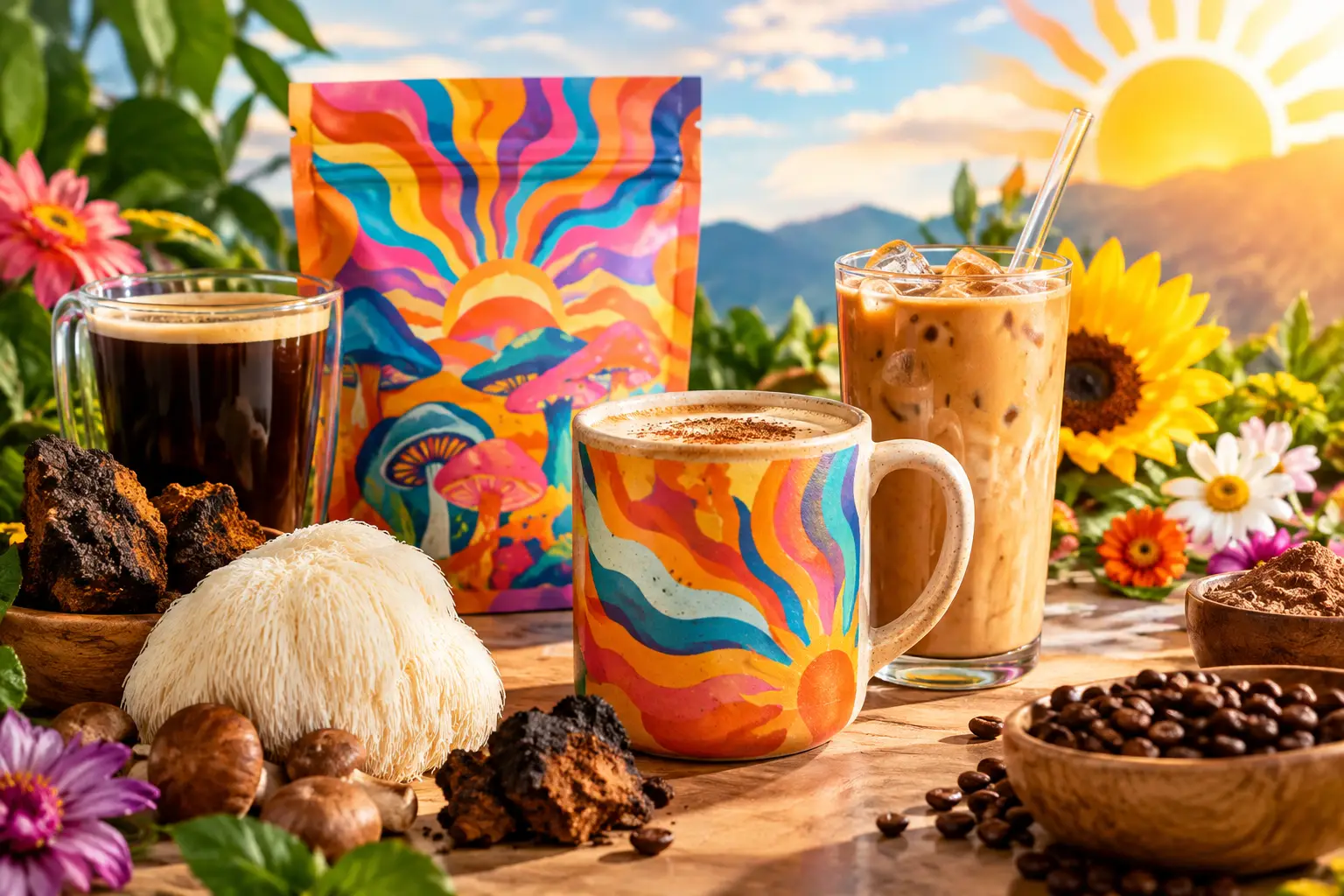
The most interesting coffee wellness trends are not about turning your mug into a medicine cabinet. They are about making a familiar ritual feel more intentional: better ingredients, a caffeine level that suits your day, less sugar overload, and flavors you actually look forward to drinking. For plenty of coffee people, that means keeping the joy of coffee while being a little more curious about what else is in the cup.
Coffee Wellness Trends Are Getting More Practical
Wellness coffee has moved past the era of complicated powders and impossible promises. The new mood is refreshingly grounded. People want convenient choices that fit a real Tuesday morning, not a 14-step sunrise routine performed in a linen outfit.
That shift shows up in a few ways. Coffee drinkers are reading ingredient lists more closely, paying attention to sourcing and organic standards, and looking for alternatives to giant, overly sweet bottled drinks. They are also more aware that caffeine is personal. One person loves a strong afternoon espresso; another wants a gentler pick-me-up that does not turn bedtime into a staring contest with the ceiling.
The U.S. Food and Drug Administration notes that up to 400 milligrams of caffeine per day is not generally associated with dangerous effects for most healthy adults. Still, that broad figure is not a target, and individual sensitivity varies widely. Pregnancy, medications, health conditions, and plain old personal tolerance can all change the equation. The useful trend is not “more caffeine equals more productivity.” It is choosing an amount that feels right for you.
Ingredient Transparency Has Become Part of the Ritual
A coffee label should not require a decoder ring. As shoppers become more ingredient-savvy, they are asking straightforward questions: Is the coffee organic? What creates the sweetness? Is the flavor coming from recognizable ingredients? Does the formula explain what is actually inside?
USDA Certified Organic coffee is especially appealing to people who want a clear standard behind their daily brew. Organic certification does not make a coffee automatically perfect for every palate or routine, but it does signal that the ingredients meet defined production and handling requirements. For a product you may drink every day, that extra layer of consideration matters to many folks.
The same goes for sweetness. A growing number of coffee drinkers want to step away from the sugar-bomb approach without settling for a cup that tastes like punishment. Cacao, cinnamon, vanilla, and naturally derived sweeteners can bring a cozy café-style flavor profile while keeping the ingredient story more intentional.
What to look for on a wellness coffee label
Start with the basics: the coffee source, the full ingredient list, caffeine information when it is provided, and any certifications the brand claims. If functional ingredients are included, the label should say what they are rather than hiding them behind vague language.
Also, watch for a familiar marketing trick: a long list of buzzy ingredients paired with no details about the coffee itself. If it does not taste good or fit your routine, the fanciest jar in the pantry will eventually become expensive counter décor.
Functional Mushrooms Are Becoming More Approachable
Functional mushroom coffee is one of the clearest examples of coffee culture getting curious without getting too weird about it. Rather than replacing coffee entirely, these blends combine coffee with mushrooms such as Lion’s Mane and Chaga, often alongside botanical ingredients. The result can be a more layered ritual for people who want something beyond a standard cup.
It is worth keeping expectations sensible. Functional mushrooms have a long history of use in various food and traditional wellness practices, and researchers continue to study their compounds. But a mushroom coffee is still a beverage, not a treatment or cure. The best reason to try one is usually much simpler: you like the ingredients, enjoy the taste, and want a coffee ritual that aligns with how you want to feel about your choices.
For newcomers, flavor is often the big question. Will it taste mushroomy? A well-made mushroom coffee should still taste like coffee. Earthy notes can work beautifully with cacao, cinnamon, and mocha flavors, but the mug should not feel like a walk through a damp forest after rain. Unless that is your thing. No judgment from the Shroovy universe.
Mindful Caffeine Beats the All-or-Nothing Approach
Coffee culture once made it seem like you had two options: drink the biggest, boldest brew available or quit caffeine and become a tea person overnight. Thankfully, the middle ground is having a moment.
Lower-caffeine coffee options are gaining traction because they offer flexibility. A moderate-caffeine serving can suit people who want to enjoy coffee later in the day, who prefer to spread caffeine intake across the morning, or who simply do not love the jittery edge that can come with stronger brews. It is not inherently better than regular coffee. It depends on your needs, your total daily caffeine intake, and how your body responds.
That is why a functional coffee with approximately 45 milligrams of caffeine per serving, subject to current product labeling, may appeal to someone who wants a gentler daily coffee ritual. It can still provide the familiar comfort of coffee without making “one more cup” feel like a high-stakes decision.
The Best Wellness Coffee Is One You Will Actually Drink
Convenience is not a dirty word. Instant coffee has earned a fresh look as people seek faster, better-tasting options for home, work, travel, and post-workout iced coffee cravings. The old assumption that instant automatically means bland is fading as small-batch brands focus more seriously on ingredients and flavor.
A good instant blend should dissolve easily, taste satisfying with hot or cold water, and play nicely with your preferred add-ins. Some drinkers want it black. Others want a splash of oat milk over ice. A mocha-style blend can be especially versatile because it has enough richness to stand on its own while still welcoming a creamy remix.
That versatility also makes wellness habits easier to keep. If your coffee only works with a blender, three specialty syrups, and a perfectly calibrated mood, it may not survive the first rushed morning of the week. The sustainable ritual is the one that fits your life.
A Small-Batch Take on the Trend
Shroovy Organic Mushroom Coffee brings the practical side of these trends into one cheerful cup. It combines USDA Certified Organic Arabica coffee with Lion’s Mane, Chaga, Ashwagandha, cacao powder, Ceylon cinnamon, natural vanilla, and monk fruit in an instant mocha-flavored blend. It is designed for hot or iced sipping, with approximately 45 milligrams of caffeine per serving, subject to current product labeling.
The appeal is not a grand promise. It is a thoughtful ingredient list, organic standards, a lower-caffeine coffee option, and a flavor that makes the ritual feel like a treat. For coffee drinkers who prefer independent, small-batch brands over mass-produced sameness, that combination has some serious good-vibes energy.
How to Try Coffee Wellness Trends Without Overthinking It
Start with one change that solves a real problem. If your afternoon coffee feels too intense, try a lower-caffeine option. If you are tired of overly sweet café drinks, look for a blend with a more considered sweetness profile. If organic sourcing matters to you, make certification part of your buying criteria.
Give a new coffee enough time to earn a place in your routine. Try it hot first so you can understand the flavor, then test it iced with the milk or creamer you already enjoy. Keep the rest of your routine steady at first. That makes it easier to tell whether you genuinely like the new cup or are simply having a very chaotic week.
Coffee Wellness Trends: Common Questions
Is mushroom coffee less caffeinated than regular coffee?
Sometimes, but not always. Caffeine levels depend on the specific product and serving size. Check the current label rather than assuming that all mushroom coffees are lower in caffeine.
Does mushroom coffee taste like mushrooms?
It can have subtle earthy notes, but coffee-forward blends are generally designed to taste like coffee first. Mocha, cacao, cinnamon, and vanilla can create a particularly familiar, cozy flavor profile.
Is organic coffee worth choosing?
That depends on your priorities and budget. Many people choose USDA Certified Organic coffee because they value the certification standards and want more transparency around a daily habit.
Can I drink functional mushroom coffee iced?
Absolutely. Instant blends are often especially handy for iced drinks because they are quick to mix. Dissolve the coffee thoroughly in a small amount of warm water first if needed, then add cold water, ice, and your favorite milk.
The real win in coffee wellness is not chasing every new powder that appears on your feed. It is finding a cup that tastes great, fits your pace, and makes your daily pause feel a little more like your own. Come explore the goodness, one delightfully shroovy sip at a time.