That lightly sweet mocha coffee ritual does not have to come with a big spoonful of sugar. But if you have spotted monk fruit on an ingredient label, the practical question is fair: is monk fruit safe? For most people, monk fruit sweetener is generally considered a safe choice when used in foods and drinks. Still, “generally safe” is not the same as “right for every person, in every product, at every amount.”
Monk fruit has become a popular option for people who want sweetness without the sugar rush-and-crash storyline. Here is what it is, how safety is evaluated, what to watch for on labels, and how it fits into a good-vibes coffee routine.
Is monk fruit safe to eat and drink?
Monk fruit sweetener comes from monk fruit, a small round fruit also called luo han guo. It has a long history of use in parts of Asia. The intense sweetness in modern monk fruit sweeteners comes mainly from compounds called mogrosides, which are extracted from the fruit.
In the United States, certain high-purity monk fruit extracts have received “no questions” letters from the Food and Drug Administration in response to Generally Recognized as Safe, or GRAS, notices. That means the FDA did not identify reasons to question the notifier’s conclusion that the ingredient is safe under its intended conditions of use. It is a meaningful safety benchmark, though it is different from the FDA individually approving every monk fruit product on a grocery shelf.
International food-safety bodies have also reviewed monk fruit extracts. The key takeaway for everyday coffee drinkers is simple: monk fruit extract is widely used in foods and beverages, and available evidence supports its use as a sweetener for the general population.
What makes monk fruit sweet without sugar?
Mogrosides taste much sweeter than table sugar, so only a small amount is needed. Monk fruit sweetener can therefore make a drink taste sweet while contributing little or no sugar from the sweetener itself.
That does not mean every monk fruit-sweetened item has the same nutrition profile. A ready-to-drink beverage, snack, or coffee mix may contain other ingredients that contribute calories, carbohydrates, or added sugars. The ingredient list and Nutrition Facts panel still deserve a glance. Monk fruit is one part of the band, not the whole song.
Monk fruit also should not be confused with sugar alcohols. Erythritol, xylitol, and similar ingredients are often used to add bulk or balance sweetness in reduced-sugar products. They are different ingredients with different digestive considerations. If a monk fruit blend leaves you feeling less than groovy, check whether it also contains a sugar alcohol, added fibers, or other sweeteners.
Possible monk fruit side effects and sensitivities
Most people tolerate monk fruit sweeteners well. Because the extract is used in small amounts, side effects are not commonly reported. Still, bodies can be delightfully individual.
A true allergy to monk fruit appears uncommon, but anyone can react to a food ingredient. Stop using a product and seek medical care promptly if you experience signs of a serious allergic reaction, such as trouble breathing, swelling of the lips or throat, or widespread hives.
Milder digestive discomfort is more likely to be related to the rest of a sweetener blend than monk fruit extract alone. Some products combine monk fruit with sugar alcohols, prebiotic fibers, or gums, all of which may bother sensitive stomachs when consumed in larger amounts. If you are trying a new product, start with a normal serving rather than treating the scoop like a confetti cannon.
Flavor is another consideration. Monk fruit can have a lingering sweetness that some people notice more than others. Coffee, cacao, cinnamon, and vanilla can round out that profile nicely, but taste is personal. The best sweetener is one you enjoy enough to use consistently and sensibly.
Who should be a little more careful?
For most adults, monk fruit in ordinary food and beverage amounts is unlikely to be a concern. A few situations call for a more personal conversation with a qualified healthcare professional.
If you are pregnant, breastfeeding, managing a medical condition, taking prescription medications, or following a clinician-directed eating plan, ask your clinician or registered dietitian about the full product you plan to use. This is not because monk fruit is known to be unsafe in these situations. It is because research can be more limited for specific populations, and the complete ingredient list matters.
The same goes for children. Monk fruit extract is used in foods, but parents may prefer to focus first on helping kids get comfortable with less intensely sweet flavors overall. A sweetener can be part of the pantry without becoming the main character.
People with diabetes may find that monk fruit-sweetened foods fit their eating pattern, since monk fruit itself does not function like sugar in the body. But it is still wise to consider the entire meal or drink, monitor your own response as advised by your care team, and avoid assuming that “no sugar” means “free pass.”
Monk fruit in coffee: the practical question
Coffee is one of the easiest places to encounter monk fruit because it can soften bitterness without loading up a cup with sugar. In a simple cup of coffee, monk fruit is usually a straightforward choice. The bigger questions are often about caffeine, serving size, and the other ingredients in the blend.
If you are sensitive to caffeine, monk fruit will not change how caffeine feels in your system. If you are choosing a flavored coffee mix, look at the full label for coffee content, sweeteners, botanicals, allergens, and serving guidance. An ingredient can be a good fit on its own while the complete product may not suit every routine.
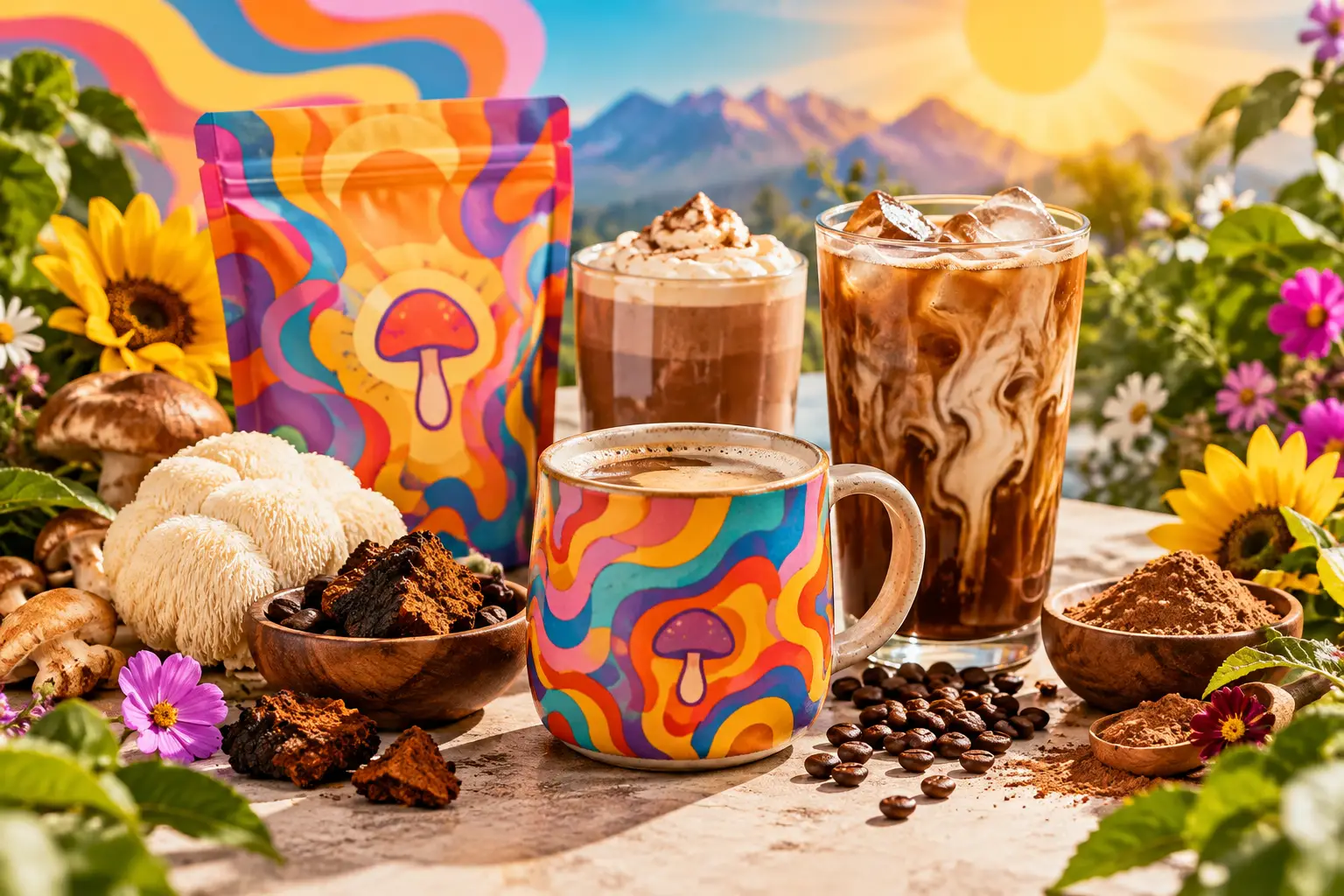
For a mellow mocha moment, Shroovy Organic Mushroom Coffee pairs organic Arabica coffee with Lion’s Mane, Chaga, Ashwagandha, cacao powder, Ceylon cinnamon, natural vanilla, and monk fruit. It is USDA Certified Organic, made for hot or iced sipping, and has approximately 45 mg of caffeine per serving, subject to current product labeling. Monk fruit helps bring the mocha flavor together without making the cup feel like dessert wearing a coffee costume.
How to choose a monk fruit sweetener you feel good about
A short ingredient list is often helpful, especially if you are testing how a new sweetener works for you. Pure monk fruit extract is extremely concentrated, so many retail products include another ingredient for volume or easier measuring. That is normal. The useful move is to know what that other ingredient is.
Look for clear labeling rather than vague promises. If a package says “monk fruit,” see whether it lists monk fruit extract, erythritol, allulose, stevia, natural flavors, or added sugars. None of those automatically make a product bad. They simply affect flavor, texture, nutrition, and how your body may tolerate it.
Organic shoppers may also want to look for certified organic products when that certification matters to them. Organic certification speaks to how applicable agricultural ingredients are produced and handled. It does not turn a sweetener into a magic ingredient, but it can be a meaningful standard for people building an ingredient-conscious pantry.
Frequently asked questions
Is monk fruit safer than artificial sweeteners?
“Safer” depends on the specific ingredient, amount, person, and product. Monk fruit is a fruit-derived sweetener with a safety record supporting its use in foods. Artificial sweeteners approved or permitted for use in the United States have also undergone safety review. The better choice is usually the one that fits your preferences, tolerance, and overall eating pattern.
Does monk fruit raise blood sugar?
Monk fruit extract itself is not expected to raise blood sugar in the way table sugar does. However, a monk fruit product may contain other carbohydrate-containing ingredients, so check the full label if blood sugar management is part of your routine.
Can monk fruit cause bloating?
Monk fruit alone is not commonly associated with bloating. But blends containing sugar alcohols or added fibers can cause gas or digestive discomfort for some people. Read beyond the front-of-package claim.
Is monk fruit safe every day?
For most people, using monk fruit as part of everyday foods and beverages is considered safe. Variety still matters. A daily coffee ritual can be a lovely thing, especially when the rest of your plate has room for whole foods, satisfying meals, and plenty of flavor beyond sweetness.
A little monk fruit in your coffee is not a wellness test or a purity contest. It is simply one way to sweeten the ritual. Choose the ingredients that taste good, sit well, and make your daily cup feel like a small moment of goodness.